AI Answering: Complete Guide to Automated Phone Support in 2025
Every missed call represents a lost opportunity for your business. In today’s competitive landscape, customers expect immediate responses and 24/7 availability, yet many businesses struggle to answer calls consistently during business hours, let alone after hours. The result? Frustrated customers, missed opportunities, and lost revenue that could have been easily captured.
AI Answering: Complete Guide to Automated Phone Support in 2025 — as 85% of service leaders plan GenAI pilots and AI agents can cut cost-per-call ≈50%. AI answering technology has emerged as a game-changing solution for businesses of all sizes. From small businesses overwhelmed by call volume to growing businesses seeking to scale their customer service operations, AI phone answering systems are revolutionizing how companies handle incoming calls and customer interactions.
This comprehensive guide will walk you through everything you need to know about AI answering services in 2025. You’ll discover how this technology works, the benefits it delivers, different types of solutions available, and practical implementation strategies that can transform your business operations. AI-powered chatbots and virtual assistants provide instant, 24/7 customer support, ensuring no inquiry goes unanswered. Whether you’re dealing with unanswered calls during peak hours or looking to improve customer satisfaction while reducing costs, this guide provides the roadmap you need.
What is AI Answering and How Does It Work
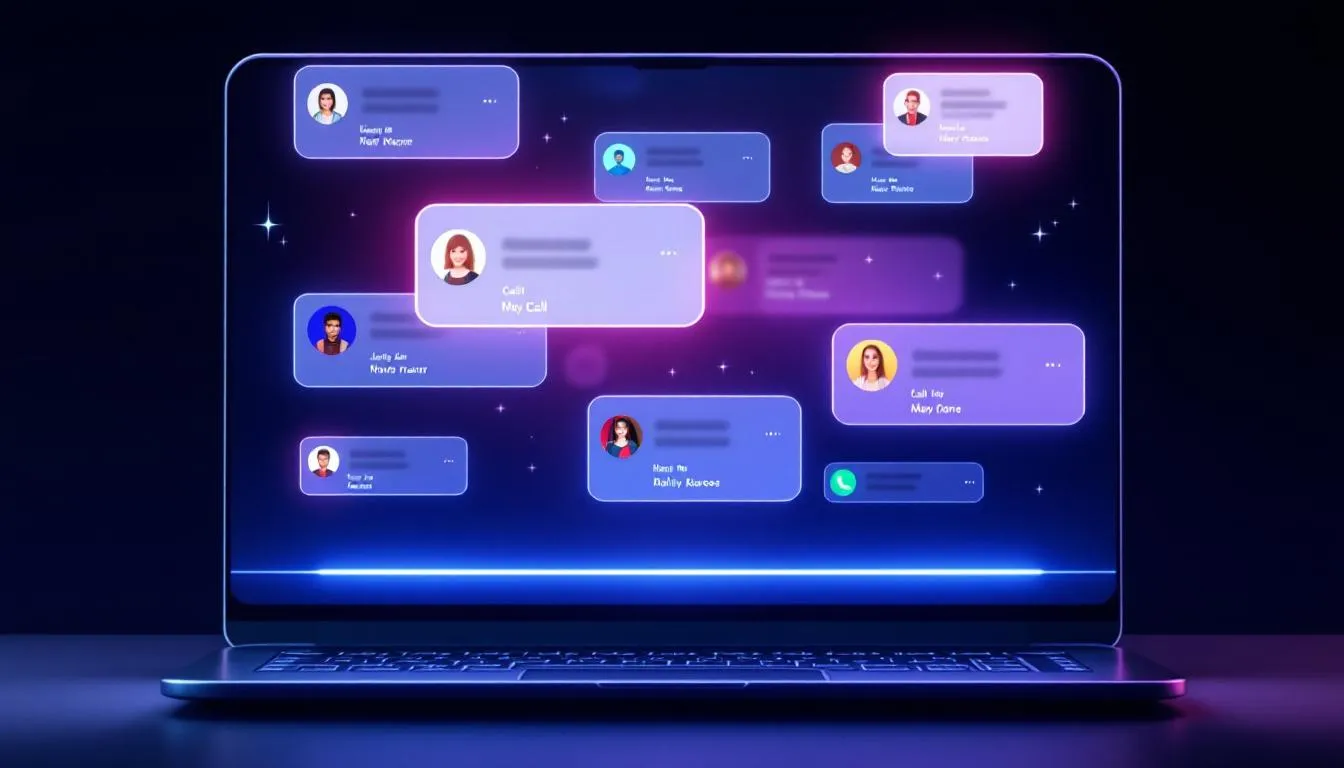
AI answering represents a sophisticated technology that combines artificial intelligence with natural language processing to handle phone calls automatically. Unlike traditional phone menus that frustrate callers with endless options, an AI phone agent can engage in natural conversations, understand caller intent, and provide personalized service that rivals human interaction.
At its core, an AI answering service uses advanced algorithms to process spoken language in real-time. When customers call your business, the system immediately recognizes speech patterns, analyzes the caller’s needs, and generates appropriate responses. This technology can handle common customer requests, answer questions about your services, and even books appointments without human intervention.
The natural language processing component enables these systems to understand context and nuance in conversations. Natural Language Processing (NLP) enables computers to understand, interpret, and generate human language, analyzing meaning, context, and user intent. Rather than requiring callers to navigate through rigid phone menus, customers can simply state their needs naturally. The AI receptionist processes this information, accesses relevant business data, and provides accurate responses or routes calls to the appropriate team member.
Integration capabilities make AI phone answering systems particularly powerful for modern businesses. These platforms connect seamlessly with existing CRMs, scheduling software, and customer databases. Many AI answering services automatically update CRM systems with call data and customer notes, ensuring that all customer interactions are recorded and accessible. When a caller requests an appointment, the system can check availability in real-time and confirm bookings instantly. For customer service inquiries, it can access account information and provide personalized responses based on previous interactions.
Voice recognition technology has advanced significantly, enabling AI systems to understand various accents, speaking speeds, and background noise conditions. Text-to-speech capabilities ensure responses sound natural and professional, maintaining your brand’s voice across all customer interactions. This combination creates an experience that many callers find indistinguishable from speaking with a skilled human agent.
Key Benefits of Implementing AI Answering Systems
The most immediate benefit businesses experience is the elimination of missed calls. AI answering services operate 24/7, ensuring every incoming call receives attention regardless of when customers reach out. This round-the-clock availability significantly improves customer satisfaction, as clients no longer encounter busy signals or voicemail during important moments in their buying journey.
Cost reduction represents another compelling advantage. Traditional answering services or in-house reception staff can cost thousands of dollars monthly, especially when factoring in benefits, training, and management overhead. AI phone answering systems typically cost a fraction of this amount while delivering consistent performance without sick days, vacation time, or training requirements.

Response time improvements create immediate value for customer experience. While human agents might take several rings to answer or put callers on hold, AI systems respond instantly. This immediacy builds customer trust and reduces the frustration that often leads to abandoned calls and lost business opportunities.
Scalability becomes effortless with AI technology. During peak hours or seasonal rushes, the system handles multiple calls simultaneously without degraded service quality. A single AI phone agent can manage dozens of conversations concurrently, something impossible with human staff without significant cost increases.
Consistent brand messaging ensures every caller receives the same professional experience. Unlike human agents who might have varying knowledge levels or communication styles, AI systems deliver standardized responses aligned with your brand guidelines. This consistency builds trust and reinforces your company’s professional image across all customer touchpoints.
Automated task completion streamlines business operations significantly. AI answering services can schedule appointments directly in your calendar system, capture lead information for your sales team, process basic customer service requests, and even handle follow up questions without staff involvement. This automation frees your team to focus on higher-value activities while ensuring routine tasks are completed accurately and promptly.
Types of AI Answering Solutions Available
Fully automated AI systems represent the most comprehensive solution for businesses seeking complete call management automation. These platforms handle entire conversations independently, from initial greeting through resolution or appointment booking. They’re particularly effective for businesses with predictable call patterns and well-defined service offerings, such as restaurants taking reservations or medical practices scheduling appointments.
Hybrid models combine AI screening with live agent handoff for complex situations requiring human touch. The AI receptionist handles initial call processing, gathers basic information, and determines whether the inquiry can be resolved automatically or needs human intervention. This approach maximizes efficiency while ensuring complex issues receive appropriate attention from your sales team or customer service staff.
Industry-specific solutions have emerged to address unique requirements across different sectors. Healthcare practices benefit from HIPAA-compliant systems that handle patient scheduling and basic medical inquiries securely. Restaurant AI systems integrate with point-of-sale systems for order taking and reservation management. Legal firms use specialized platforms that ensure confidentiality while managing client intake and consultation scheduling.

Multi-channel platforms extend beyond voice calls to include text messages, online chats, and email integration. Machine Learning (ML) allows AI to learn from data and improve its performance over time without explicit programming, identifying patterns in vast datasets. Modern customers communicate through various channels, and comprehensive AI answering services adapt to these preferences. A customer might start an inquiry via text message and continue the conversation through a phone call, with the AI system maintaining context throughout the interaction.
The distinction between basic IVR replacements and advanced conversational AI systems is crucial for business decision-making. Traditional phone menus frustrate customers with limited options and rigid structures. Advanced AI systems engage in natural conversations, learn from interactions, and continuously improve their responses. This learning capability means the system becomes more effective over time, better understanding your customers’ needs and your business processes.
Some solutions focus specifically on call routing and message taking, functioning as an intelligent virtual receptionist that connects callers to appropriate team members. Others provide comprehensive customer service capabilities, handling everything from product inquiries to technical support. Understanding these distinctions helps businesses select solutions aligned with their specific operational needs and customer service goals.
Essential Features to Look for in AI Answering Services
Advanced natural language understanding forms the foundation of effective AI phone answering systems. Look for platforms that demonstrate sophisticated comprehension of caller intent, even when customers use varied phrasing or industry-specific terminology. The system should grasp context from previous parts of the conversation and maintain coherent dialogue throughout extended interactions.
CRM integration capabilities ensure seamless data flow between your AI answering service and existing business systems. When customers call, the AI should access their history automatically, providing personalized service based on previous purchases, support tickets, or appointment history. This integration eliminates data silos and creates a unified customer experience across all touchpoints.
Customizable voice options allow businesses to maintain brand consistency in their AI interactions. Leading platforms offer multiple languages, accents, and voice personalities to match your company’s character. Some systems even allow custom voice training to replicate specific brand voices or regional preferences that resonate with your customer base.
Real-time analytics and reporting provide insights essential for optimizing call handling performance. Comprehensive dashboards should track metrics like call volume, resolution rates, common customer requests, and peak calling times. This data enables continuous improvement of your AI system’s responses and helps identify trends in customer needs.
API connectivity ensures your AI answering service integrates smoothly with existing business software. Whether you use specific scheduling platforms, e-commerce systems, or custom business applications, robust API support enables seamless data exchange. This connectivity allows the AI to access real-time information and update systems automatically based on call outcomes.
Security features and compliance capabilities are non-negotiable for many industries. HIPAA compliance for healthcare providers, PCI compliance for businesses handling payment information, and general data protection measures should be built into the platform. Look for services that offer call transcripts encryption, secure data storage, and audit trails for regulatory requirements.
The platform should also provide extensive customization options for call flows and responses. Your business has unique processes and customer service approaches that the AI system must accommodate. Advanced platforms allow detailed scripting, conditional logic for different call scenarios, and integration with your specific business rules and policies.
Implementation Best Practices for AI Answering
Begin implementation with a comprehensive audit of your current call handling processes. Document typical call patterns, common customer requests, peak calling times, and current pain points in your phone system. This analysis reveals specific requirements your AI answering service must address and helps establish baseline metrics for measuring improvement.
Creating comprehensive training scripts and FAQ databases forms the foundation of effective AI system performance. Document all possible customer scenarios, appropriate responses, and escalation procedures. Include variations in how customers might phrase requests and ensure the AI system understands your business terminology and service offerings thoroughly.
Proper call routing rules and escalation procedures prevent customer frustration when the AI system encounters situations requiring human intervention. Define clear criteria for when calls should transfer to specific team members, create backup procedures for when staff is unavailable, and establish protocols for urgent situations that need immediate human attention.

Testing phases should simulate various call scenarios before full deployment. Have team members and trusted customers make test calls using different communication styles, accents, and request types. This testing reveals potential issues and allows fine-tuning of responses before real customers interact with the system.
Staff training on AI system monitoring and escalation handling ensures smooth operations once the system goes live. Team members need to understand how to review call summaries, respond to escalated inquiries, and use the insights provided by AI interactions to improve customer service. Regular training sessions help staff adapt to working alongside AI technology effectively.
Establish clear KPIs for measuring success, including call resolution rates, customer satisfaction scores, response times, and the percentage of calls requiring human intervention. Regular monitoring of these metrics enables continuous optimization and demonstrates the value the AI answering service provides to your business operations.
Consider implementing the system gradually, perhaps starting with after-hours calls or specific call types before expanding to full coverage. This phased approach allows your team to adapt to the new technology while minimizing disruption to existing customer service operations.
Industry-Specific AI Answering Applications
Healthcare practices leverage HIPAA-compliant AI answering systems to transform patient communication while maintaining strict privacy requirements. These specialized platforms handle appointment scheduling, prescription refill requests, and basic medical inquiries without compromising sensitive health information. Patients can schedule routine appointments, receive appointment reminders via text messages, and get answers to common questions about office hours and procedures.
The integration with electronic health records allows AI systems to check provider availability in real-time and confirm appointments based on specific medical requirements. For urgent medical situations, these systems are programmed with precise escalation protocols to connect callers immediately with on-call medical staff or direct them to emergency services when appropriate.
Restaurants benefit significantly from AI answering services designed specifically for hospitality operations. These systems handle reservation management seamlessly, checking table availability and confirming bookings while capturing special dietary requirements or seating preferences. During peak hours, the AI can manage multiple calls simultaneously, ensuring no reservation requests go unanswered.
Menu inquiries, hours of operation questions, and order modifications can all be handled automatically. Some advanced restaurant AI systems integrate with point-of-sale platforms to process takeout orders, calculate totals including tax, and provide estimated pickup times based on current kitchen capacity.
 ]
]Legal firms implement secure AI solutions for client intake and consultation scheduling while maintaining attorney-client privilege requirements. These systems can gather initial case information, schedule consultations based on attorney specializations, and provide basic information about firm services. The AI understands legal terminology and can route calls appropriately based on practice areas.
For sensitive legal matters, these systems include robust security features and careful scripting to ensure privileged information is protected. The AI can identify when conversations require immediate attorney involvement and seamlessly transfer calls while providing comprehensive call summaries for attorney review.
E-commerce businesses deploy AI answering services to handle the high volume of customer inquiries that come with online retail operations. These systems access order management systems to provide real-time updates on shipping status, process return requests, and answer product questions. Integration with inventory systems allows the AI to check product availability and provide accurate delivery estimates.
Customer calls about payment issues, account problems, or technical difficulties with online ordering can be resolved quickly or escalated to appropriate specialists with complete context. This automation significantly reduces the workload on customer service teams while improving response times for customer inquiries.
Service companies, particularly those in home services industries, use AI for emergency call handling, scheduling, and basic troubleshooting guidance. The AI can assess the urgency of service requests, schedule appointments based on technician availability and geographic routing, and provide initial troubleshooting steps for common issues.
During emergencies, these systems can prioritize calls appropriately and connect customers with on-call technicians while gathering essential information about the service situation. This immediate response capability often makes the difference in preventing minor issues from becoming major problems.
Cost Considerations and ROI Analysis
AI answering service pricing typically ranges from $21 to $599 per month, depending on call volume, features, and customization requirements. Basic plans often include a set number of minutes or calls, while enterprise solutions offer unlimited usage with advanced features like multi-language support and complex integrations.
Understanding the total cost structure requires examining setup fees, which can range from $200 to $2,000 depending on integration complexity. Some providers include onboarding and training in their monthly fees, while others charge separately for initial system configuration and staff training. Monthly costs may also vary based on peak usage patterns and additional features like call transcripts or advanced analytics.
Comparing AI systems to traditional staffing reveals substantial savings potential. A full-time receptionist costs approximately $35,000 annually including benefits, while even the most comprehensive AI answering service typically costs less than $7,000 per year. For businesses requiring 24/7 coverage, the cost difference becomes even more dramatic, as multiple shifts would require several full-time employees.
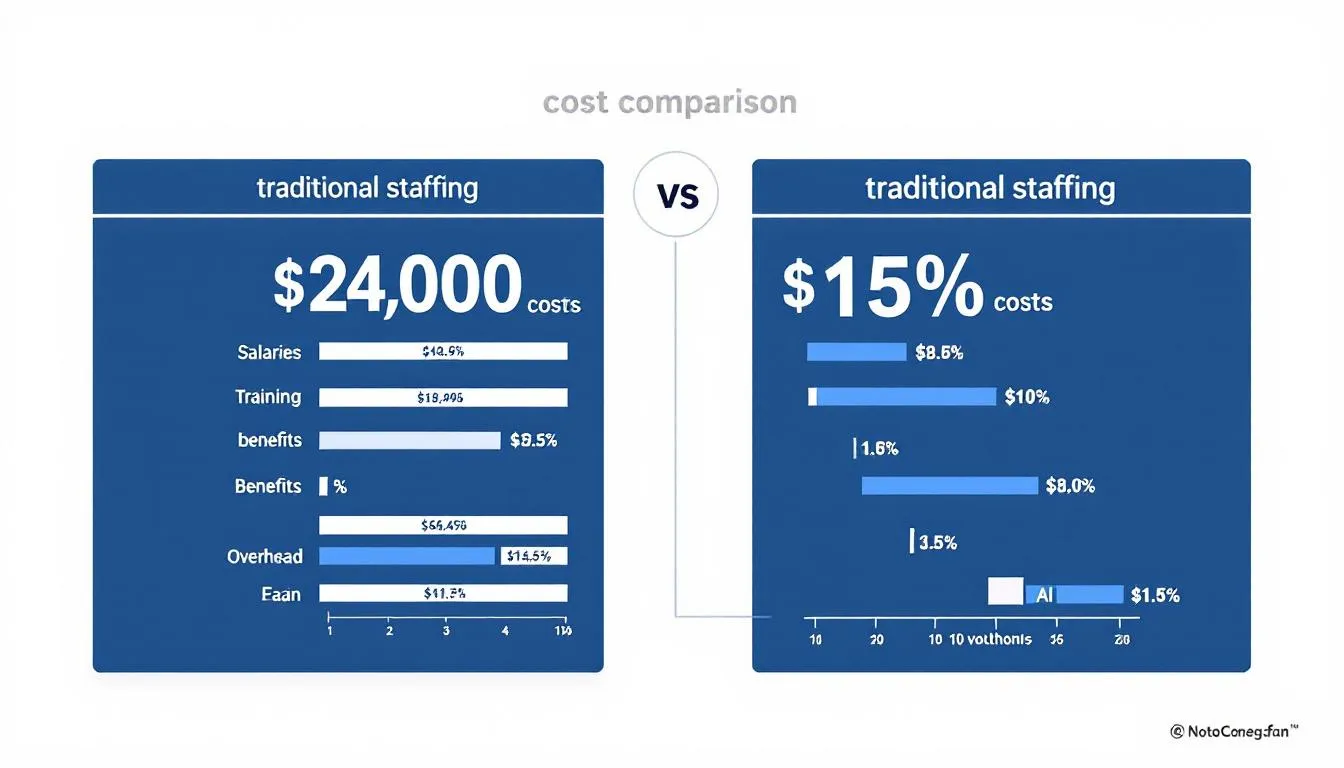
ROI calculations should factor in increased bookings from eliminated missed calls. Many businesses report 15-30% increases in appointment bookings after implementing AI answering services. For a business that previously missed 20 calls weekly due to busy phones or after-hours inquiries, capturing these opportunities can generate significant additional revenue.
Additional ROI factors include reduced staff time spent on routine phone tasks, improved customer satisfaction leading to increased retention, and the ability to handle peak hours without temporary staffing costs. Staff efficiency improvements often result in team members focusing on higher-value activities like sales follow-up or customer relationship building.
Hidden costs to consider include ongoing customization needs, potential integration updates as business software changes, and training costs for new staff members. Some businesses also invest in backup systems or redundant phone lines to ensure continuous service, though many AI providers include reliability guarantees in their service agreements.
Break-even analysis varies significantly by business size and call volume. Small businesses with 100-200 calls monthly often see positive ROI within 3-6 months, while larger operations with thousands of calls may recoup investments within weeks. The key is accurately estimating current missed opportunity costs and staff time savings.
Common Challenges and Solutions
Complex queries requiring human empathy and nuanced decision-making remain a primary limitation of current AI answering technology. While AI systems excel at handling routine inquiries and standard procedures, situations involving emotional distress, unique problem-solving, or creative solutions often require human intervention. The solution lies in designing clear escalation paths and training the AI to recognize when human touch is needed.
Effective hybrid systems acknowledge these limitations and seamlessly transition complex calls to human agents with complete context. This approach ensures customers receive appropriate care while maximizing AI efficiency for suitable interactions. Training staff to handle escalated calls effectively becomes crucial, as they need context from AI interactions to provide smooth service continuity.
Managing customer expectations about AI interactions requires transparent communication about system capabilities. Some customers prefer human interaction, while others appreciate the efficiency of AI service. Clear messaging about AI capabilities, along with always-available options to speak with humans, helps set appropriate expectations and reduces customer frustration.
Data capture accuracy can suffer when AI systems misinterpret customer information or fail to ask clarifying questions appropriately. Regular system training using real call data helps improve accuracy over time. Implementing confirmation protocols where the AI repeats important information back to callers can catch errors before they impact business operations.

Call routing challenges arise when AI systems incorrectly categorize inquiries or route calls to unavailable team members. Robust routing logic with multiple backup options prevents customers from getting stuck in system loops. Regular analysis of routing patterns helps identify improvement opportunities and ensures optimal call distribution.
Maintaining consistent performance during high-traffic periods requires adequate system capacity and redundancy planning. Cloud-based AI services typically handle scaling automatically, but businesses should verify performance guarantees and have contingency plans for system outages. Testing system performance under peak loads before deployment prevents customer service disruptions.
The handoff between AI and human agents often creates friction if not properly designed. Customers shouldn’t have to repeat information they’ve already provided to the AI system. Comprehensive call summaries, integrated customer data, and clear handoff protocols ensure smooth transitions that maintain customer satisfaction throughout the interaction.
Future Trends in AI Answering Technology
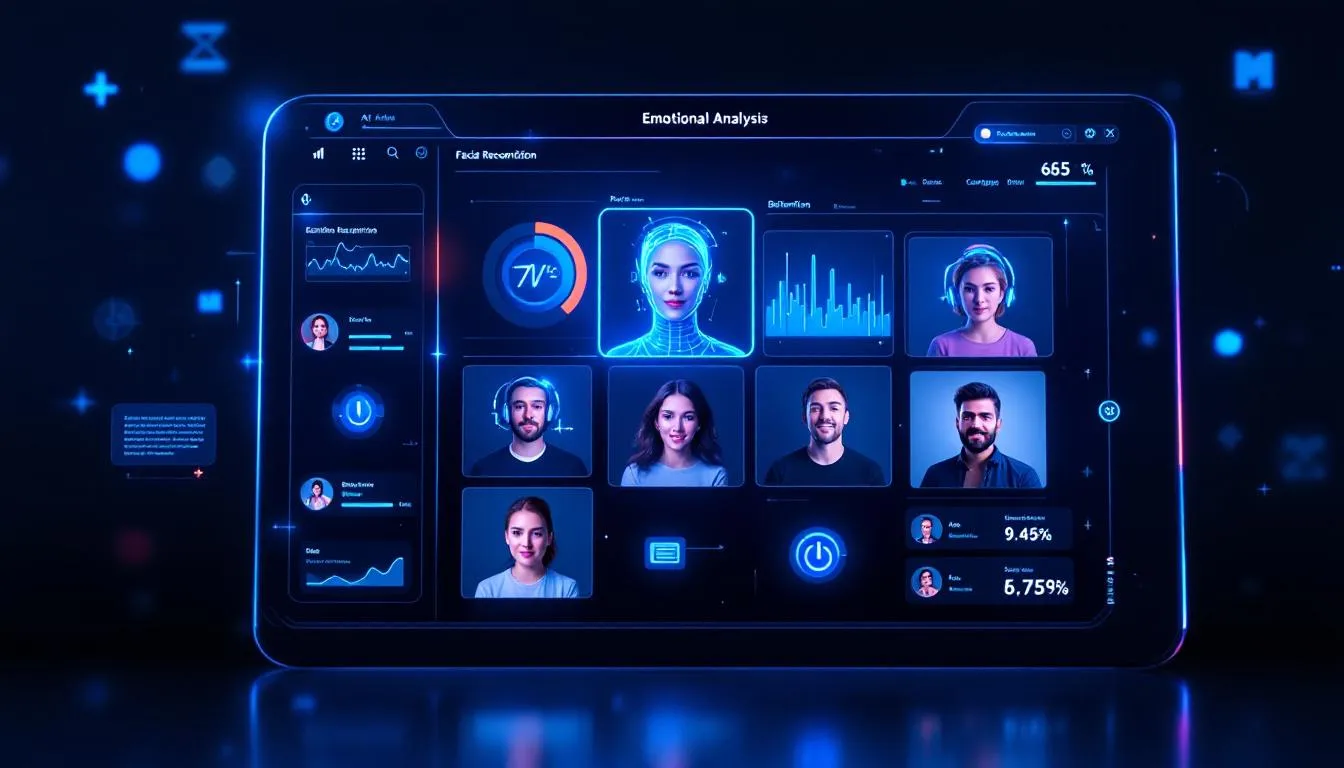
Emotional intelligence capabilities represent the next frontier in AI answering technology. Advanced systems are beginning to detect caller mood, stress levels, and emotional state through voice analysis. This capability enables AI systems to adjust their responses appropriately, using more empathetic language for frustrated customers or celebratory tones for positive interactions.
These emotional intelligence features will enable AI systems to de-escalate tense situations more effectively and recognize when callers need immediate human intervention due to emotional distress. The technology could also identify sales opportunities by detecting enthusiasm or interest in customer voices, automatically notifying sales teams about warm leads.
Video calling platform integration will expand AI capabilities beyond voice-only interactions. As video communication becomes more prevalent in business, AI systems will incorporate visual elements, enabling them to read body language, facial expressions, and environmental cues. This multi-modal approach will create richer, more effective customer interactions.
Virtual backgrounds, AI-generated avatars, and real-time language translation will make video AI interactions more engaging and accessible to diverse customer bases. Businesses will be able to provide face-to-face service experiences without human staff, particularly valuable for international customers and after-hours support.
Predictive analytics will enable AI answering services to anticipate customer needs based on historical data patterns, seasonal trends, and individual customer behavior. Systems will proactively reach out to customers for appointment reminders, follow-up on previous interactions, or suggest relevant services based on past purchases.
This predictive capability will transform reactive customer service into proactive relationship management. AI systems will identify customers likely to need service, detect potential issues before they become problems, and optimize scheduling to minimize customer wait times and maximize business efficiency.
Voice biometrics for enhanced security will enable AI systems to recognize individual customers by their unique voice characteristics. This technology will streamline authentication processes while enhancing security for sensitive transactions. Customers won’t need to remember passwords or answer security questions, as their voice becomes their identification.
Multi-modal AI supporting simultaneous voice, text, and visual communication will create seamless omnichannel experiences. Customers will start conversations via text message, continue by phone, and complete interactions through online chat without losing context. The AI will maintain conversation history across all channels, providing consistent service regardless of communication method.
These advancing capabilities will make AI answering services increasingly sophisticated while remaining user-friendly for both businesses and customers. The technology will become more intuitive, requiring less training and configuration while delivering more personalized and effective customer experiences.
Getting Started with AI Answering Implementation
Begin your AI answering journey with a systematic evaluation process for selecting the right service provider. Create a detailed requirements list including your typical call volume, specific business needs, integration requirements, and budget constraints. Research providers that specialize in your industry or business size, as they often offer pre-configured solutions that reduce implementation time.
Schedule demonstrations with multiple providers to see their systems in action. During these demos, test the AI with realistic scenarios from your business, evaluate the quality of voice interactions, and assess the user interface for managing the system. Pay attention to how well each system handles your specific terminology and business processes.
Request references from businesses similar to yours and contact them directly about their experiences. Ask about implementation challenges, ongoing support quality, system reliability, and actual ROI achieved. These firsthand accounts provide valuable insights beyond marketing materials and sales presentations.
Pilot program implementation allows you to test AI systems before full-scale deployment. Start with a limited scope, such as after-hours calls or a specific department, to evaluate system performance in real conditions. This approach minimizes risk while providing concrete data about system effectiveness and customer acceptance.

Design your pilot program to capture meaningful metrics including call resolution rates, customer satisfaction scores, and staff time savings. Set specific success criteria and timeline for evaluation. A typical pilot program runs 30-60 days, providing sufficient data for informed decision-making about full implementation.
Timeline expectations for full implementation typically span 2-8 weeks depending on system complexity and integration requirements. Simple setups with basic call routing can be operational within days, while comprehensive systems with CRM integration and custom workflows require more extensive configuration time.
The implementation timeline generally includes initial setup and configuration (1-2 weeks), staff training and system testing (1-2 weeks), pilot deployment (2-4 weeks), and full rollout with optimization (1-2 weeks). Building buffer time into these estimates prevents rushed deployment that could impact customer experience.
Key stakeholder involvement ensures successful adoption across your organization. Include representatives from customer service, sales, IT, and management in the planning process. Each group brings different perspectives and requirements that must be addressed for comprehensive success.
Change management strategies help staff adapt to working alongside AI technology. Address concerns about job security by emphasizing how AI handles routine tasks, freeing staff for more valuable customer relationship activities. Provide comprehensive training on monitoring AI performance and handling escalated calls effectively.
Success metrics and monitoring tools enable ongoing performance improvement. Establish baseline measurements before implementation, then track improvements in call handling efficiency, customer satisfaction, missed call reduction, and staff productivity. Regular review of these metrics identifies optimization opportunities and demonstrates system value.
Consider establishing a feedback loop with customers to understand their experience with your AI answering service. Simple post-call surveys or follow-up text messages can provide insights into customer satisfaction and areas for improvement. This feedback helps refine system responses and ensures customer experience continues improving over time.
The key to successful AI answering implementation lies in thorough planning, realistic expectations, and commitment to ongoing optimization. While the technology can transform your business operations, success depends on proper preparation, staff buy-in, and continuous refinement based on real-world performance data.
Start your AI answering journey today by evaluating your current phone system performance and identifying specific improvement opportunities. Whether you’re dealing with missed calls, overwhelmed staff, or inconsistent customer service, AI answering technology offers practical solutions that deliver measurable business results. The companies that implement these systems thoughtfully and strategically will gain significant competitive advantages in customer service and operational efficiency.